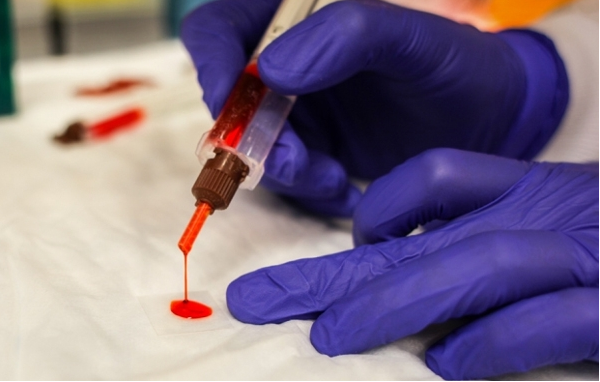
Bioadhesive-Tissue Interactions
How do biomaterials interact with cells and tissues at a biological level? Can we leverage these interactions to cure disease or prevent aging?
Our group investigates the mechanisms of bioadhesive-tissue interactions and designs materials that not only adhere to tissues but also promote healing and regeneration.
Collaborators: Dr. Ramon Grimalt (UIC), Dr. Jesús Ciriza (University of Zaragoza).
REJUVEN8 (2024–2028) — Principal Investigator: Dr Núria Oliva Jorge.
Funding: Proyecto Generación de Conocimiento 2024 (REJUVEN8).

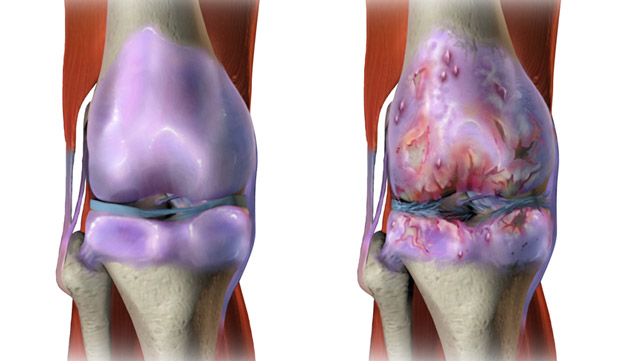
Smart Biomaterials for Cartilage Regeneration
We are developing smart biomaterials to promote cartilage regeneration and treat osteoarthritis, combining tough hydrogels with biological cues to support repair and prevent further degeneration.
Collaborators: Dr. Robert Texidó (IQS), Dr. Robert Ferrer (Hospital Sant Rafael).
HYDROLAGE (2022–2025) — Principal Investigator: Dr Núria Oliva Jorge (completed project).
Funding: la Caixa Junior Leader Fellowship.


Nanotechnology for the Treatment of Chronic Skin Wounds
Through APTADEGRAD, we are developing a first-in-class aptamer-guided protein-degrader therapy for diabetic foot ulcers. The strategy targets persistent inflammation and excessive protease activity (including IL-1 beta, MMP-2, and MMP-9) to improve local wound healing.
Project partners include Aptadegrad, Centro de Cirugía de Mínima Invasión Jesús Usón, and Instituto de Investigación Sanitaria de Santiago.
APTADEGRAD (2023–2026) — Principal Investigator: Dr Núria Oliva Jorge (completed project).
Funding: Proyecto Colaboración Público-Privada 2023 (Gobierno de España).
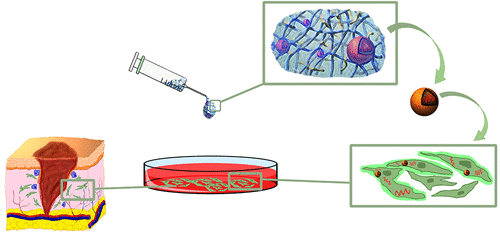
Nanotechnology for Cancer Treatment
We are developing nanotechnologies for the treatment of metastatic ovarian cancer and other cancer types.
Our platform combines targeted delivery with controlled release to maximize therapeutic efficacy while minimizing side effects, including systems that sense and respond to the tumor microenvironment. We also use machine learning and computational biophysics modelling to design novel nanotechnology therapies toward cancer cell targets, and to study, model, and predict nanoparticle-cell interactions, uptake, and endosomal escape.
Collaborators: Dr. Sylvain Ladame (Imperial College London), Dr. Michael Bruyns-Haylett (IQS).
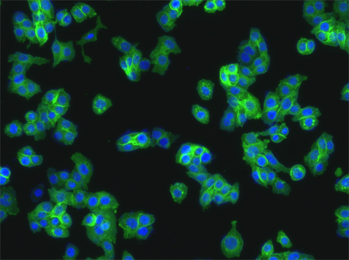
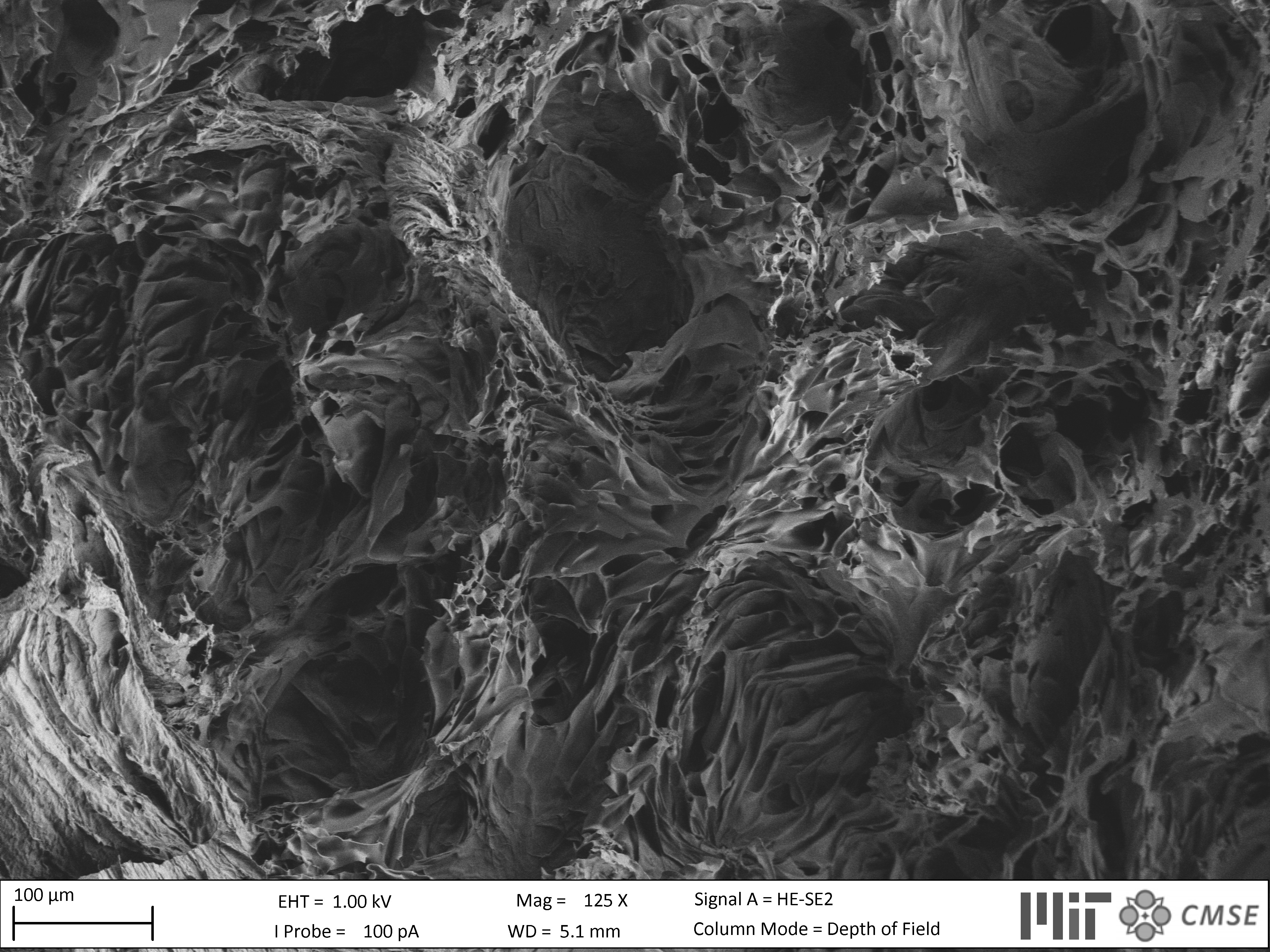
Bioprinted Skin Models to Recapitulate the Biomechanical Environment of Skin Pathologies
We develop 3D human skin models that combine fibroblasts with tuneable biomaterials to reproduce key dermal extracellular matrix properties, including stiffness and viscoelasticity.
By integrating omics with interpretable machine learning, the project identifies which microenvironmental cues drive fibroblast activation, matrix remodelling, and regeneration. The platform is used to model fibrosis and ageing, expand to multicellular skin constructs, and create a human-relevant diabetic foot ulcer equivalent for mechanistic studies and drug testing, reducing reliance on animal models and accelerating translational discovery.
Collaborators: Dr. Robert Texidó (IQS), Dr. Michael Bruyns-Haylett (IQS), Dr. Markus Schosserer (Medical University of Vienna), Dr. Tolga Emre (Boğaziçi University).